A School of Traditional and Spiritual Instruments
Tibeb — the ancient wisdom of the begena
ጥንታዊው የበገና ጥበብ
Begena, Kirar, Masinqo and Washint, taught for mezmur and for the spiritual practice of the Ethiopian Orthodox Tewahedo tradition. Structured courses in English and Amharic, free to enrol.
What we teach
Four instruments, one tradition
Each carries mezmur in its own voice — the begena for prayer, the kirar for praise, the masinqo for witness, the washint for breath. We teach all four.
The harp of David
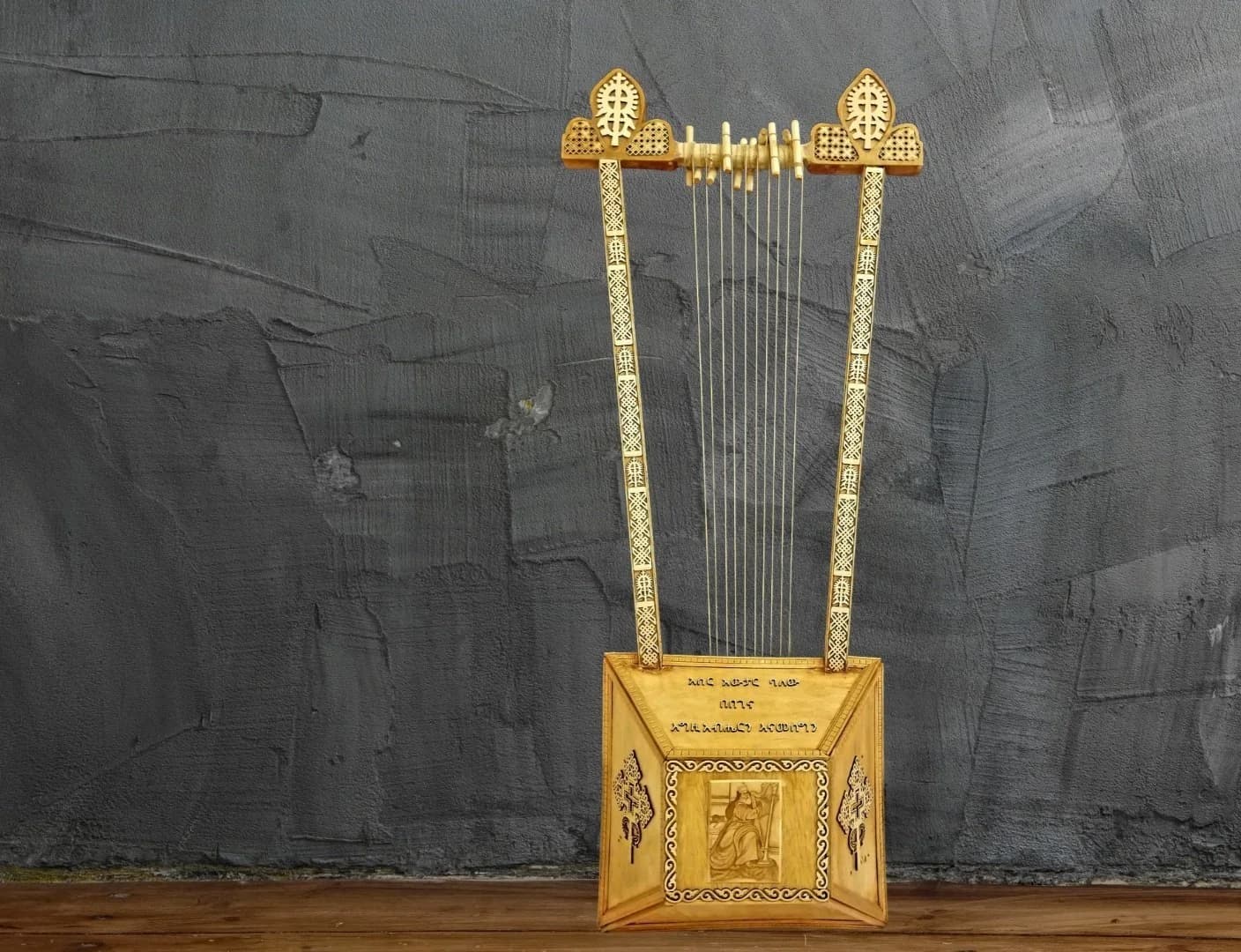
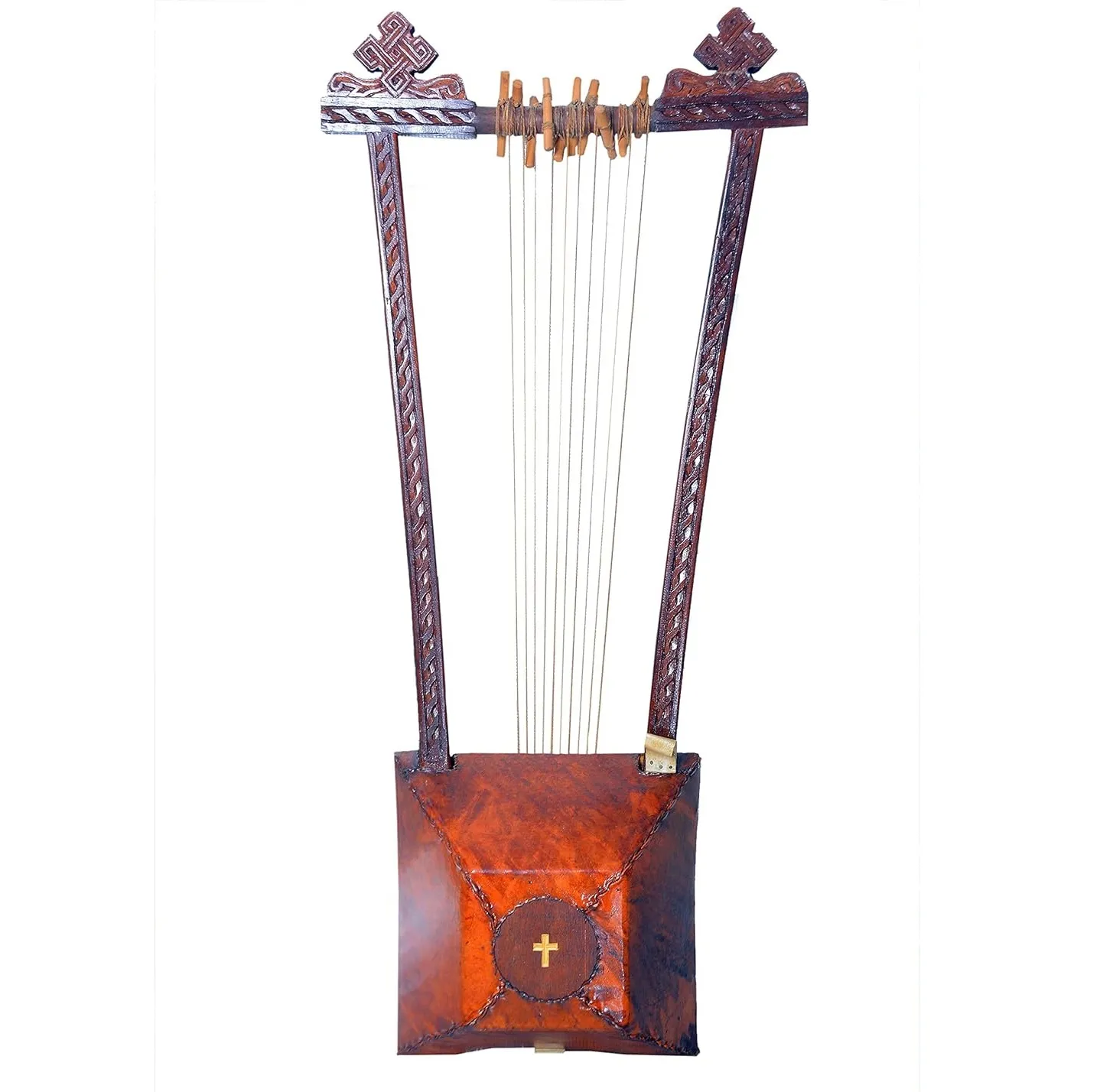
Begena
The harp of David: a ten-string lyre with a deep, meditative voice, carried through the fasts of the Ethiopian Orthodox Tewahedo Church in prayer and contemplation.
Browse instruments in the market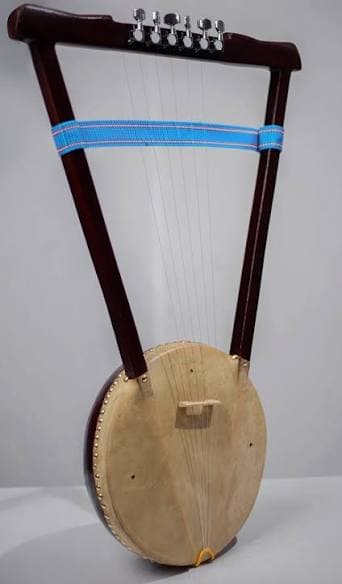
The voice of praise
Kirar
A six-string bowl-lyre, the instrument most Ethiopians know by ear. Here it is taught for mezmur, to carry praise in the gatherings of the faithful.
Browse instruments in the market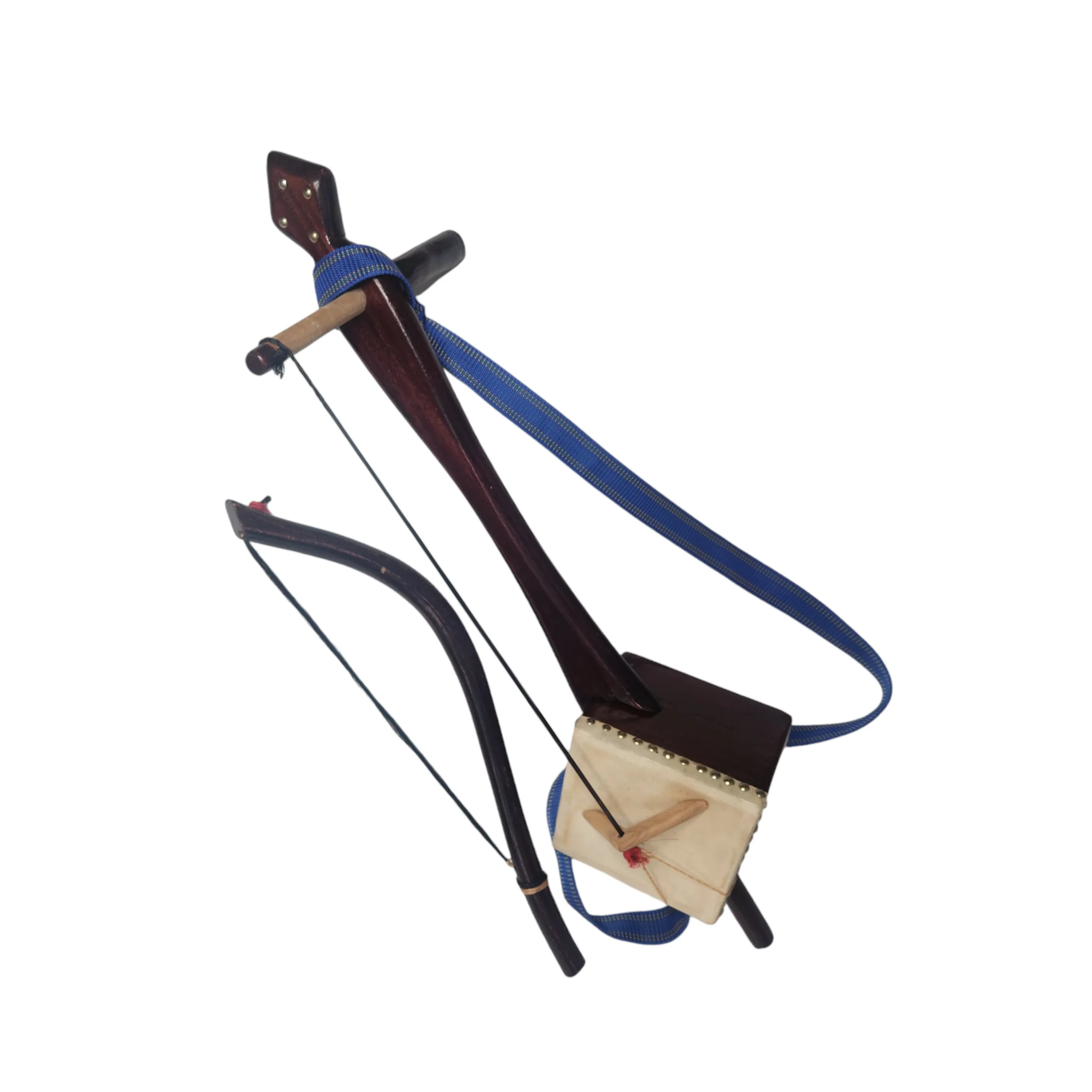
The witness
Masinqo
A single-stringed bowed lute with a diamond soundbox, drawn with a horsehair bow — of all four, the closest to the human voice. Here it is taught for mezmur, to bear witness alongside the one who sings.
Browse instruments in the market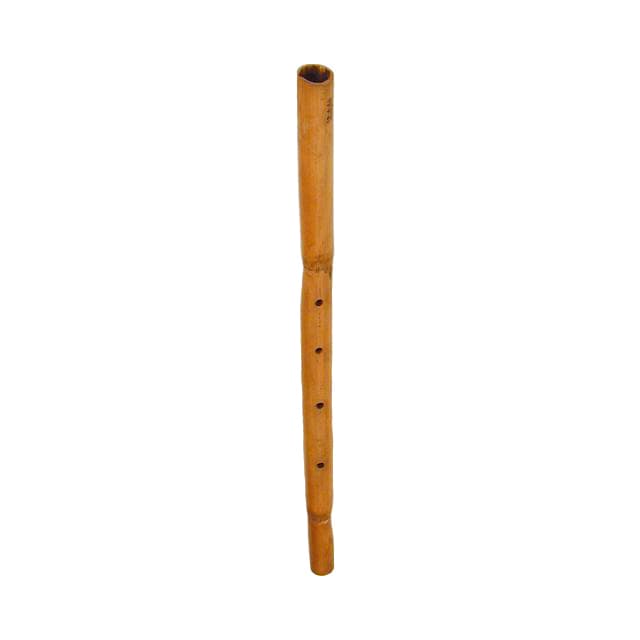
The breath of prayer
Washint
A bamboo flute tuned to the four kiñits — Tizita, Bati, Ambassel and Anchihoye. Here it is taught for mezmur, where the breath that sustains a prayer sustains the note.
Browse instruments in the market
Why it matters
This Mezmur was never written down.
Ethiopian traditional and spiritual Mezmur passes from a teacher to a student, in a room, by ear. That is how it has survived, and it is also how it can be lost. A student in Addis Ababa can find a master; one in Toronto or Dubai usually cannot.
Taught by ear, for centuries
There is no standard notation for the begena. What a teacher knows, a student learns by sitting with them.
Distance breaks the chain
The instruments travel with the diaspora. The teaching does not, unless something carries it.
Sacred, not decorative
These are the instruments of prayer and of fasting in the Ethiopian Orthodox Tewahedo tradition. Learning them is closer to learning liturgy than to learning a hobby.
Who teaches
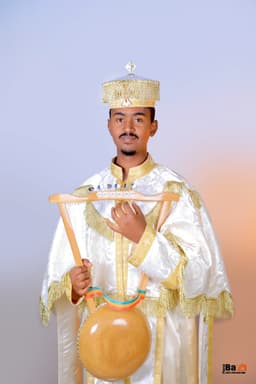
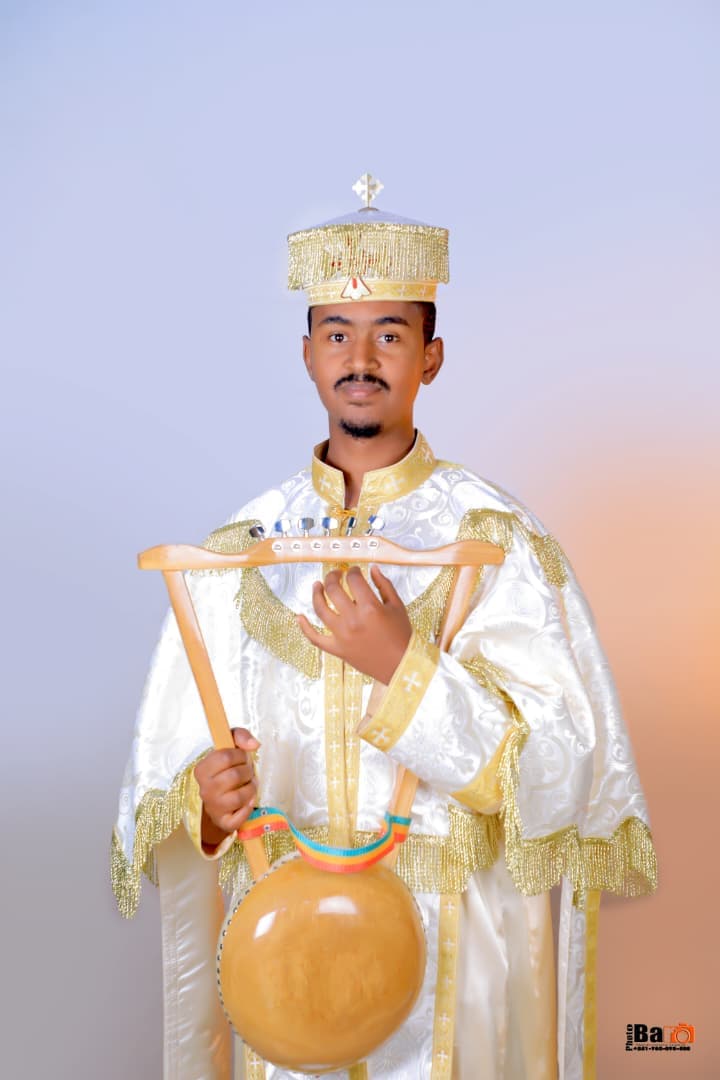
Decon BirhaneMeskel
ዲያቆን ብርሃነ መስቀል
Chief Instructor, Tebiban School
Lessons at Tebiban are prepared and taught under the direction of our Chief Instructor.
Learn with us
A course you can actually follow
Structured lessons in a fixed order, so you always know what comes next and what you have already covered.
Explore coursesModules and lessons, in sequence
A course is a path, not a playlist. Each lesson builds on the one before it.
Your progress is remembered
Finish a lesson and it stays finished, on any device you sign in from.
Checks along the way
Short quizzes confirm a lesson landed before the next one assumes it.
A certificate anyone can verify
Complete a course and you receive a certificate with a serial number that can be checked publicly.
English and Amharic
The whole platform, in both languages, chosen from the header.
Free to enrol
Tebiban courses cost nothing to join.
The market
Instruments from the artisans who make them
Handcrafted instruments and sacred items, sent from Addis Ababa. Tebiban is the only seller — there is no marketplace of strangers here.
- Bought directly from Tebiban, not from resellers
- Pay by CBE or Telebirr and send us the receipt
- Every payment is checked by a person before your order moves
Get in touch
Talk to the school
Questions about the instruments, the lessons or an order — message us and a person will answer.